

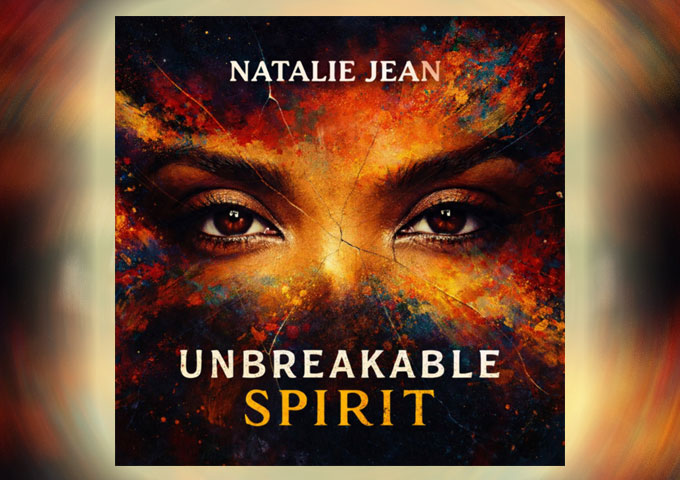
There are albums that entertain, and then there are albums that stand as testimony for change. With Unbreakable Spirit, Natalie Jean delivers something far more profound than a collection of songs. She offers a lived-in, emotionally charged manifesto that speaks directly to resilience, identity, and the radical courage of remaining openhearted in a world that often rewards hardness.
An internationally celebrated artist whose accolades include chart success across major platforms and a 2025 Grammy Participation Certificate for her contribution to Aaron Lazar’s Impossible Dream, Natalie Jean has long established herself as a voice of substance and conviction. Yet here, she reaches a new creative apex. Drawing from Americana, folk-country, and soul, she crafts a sonic landscape that feels both intimate and expansive, grounded in personal truth while echoing universal struggles.
The album begins with “Born To Lead”, a rousing declaration that sets the tone with clarity and purpose. Built alongside producer Alexi Von Guggenberg, the track surges forward with conviction, its message unwavering. Jean dismantles the quiet conditioning that has long encouraged women to doubt their instincts. Her voice carries both authority and warmth as she reframes leadership not as something granted, but as something inherently possessed. It is an opening statement that resonates like a call to arms, but also like a hand extended in solidarity.
That defiance sharpens into a blade on “Hush This Honey”, where Jean transforms frustration into fire. The song pulses with melodic urgency, its lyrical backbone rooted in resistance against silencing forces. There is a fierce clarity in her delivery, an insistence that no system or voice of oppression can permanently quiet truth. It feels less like a song and more like a protest echoing through generations.
A sudden shift in tone arrives with “She Never Came Home Tonight”, one of the album’s most haunting moments. Inspired by a real-life tragedy, the gently resonating instrumentation allows grief and reverence to take center stage. Her voice becomes a vessel for remembrance, honoring not just one life lost but countless others. The emotional weight is palpable, each note carrying the quiet devastation of absence. It is a stark reminder of the human stories behind headlines, delivered with grace and restraint.

From that sorrow rises the upbeat surge of “The Storm Didn’t Win”, a deeply personal and cathartic anthem of survival. As a response to her earlier work addressing assault, Jean channels pain into empowerment. The track swells with determination, refusing to allow trauma to dictate the narrative. There is something profoundly healing in its progression, as though each lyric rebuilds what was once broken. It stands as a beacon for anyone navigating the aftermath of hardship.
With the sprawling acoustics of “You Wouldn’t”, Jean pivots into sharp social commentary. The song cuts through societal double standards with precision, calling out the disparities in how voices are perceived and validated. There is an unflinching honesty here, a refusal to soften the truth for comfort. Yet even in its boldness, the track invites reflection rather than division, encouraging listeners to confront these inequalities head-on.
The introspection deepens on the reverberating “Not Your Shadow”, a nuanced response inspired by the emotional terrain of Radiohead’s Creep. Jean reimagines vulnerability through a distinctly feminine lens, offering empathy where there is often self-rejection. Her interpretation reframes insecurity as a shared human experience, bridging emotional divides with tenderness and understanding. It is one of the album’s most hauntingly powerful moments.
The title track, “Unbreakable Spirit”, unfolds on a slow and steady beat, arriving like a subtle thunderclap. Fierce, unapologetic, and unyielding, it encapsulates the album’s core ethos. Natalie Jean confronts systemic injustices and the policing of women’s autonomy with a voice that refuses to be contained. There is a raw, almost primal energy coursing through the song’s underbelly, transforming anger into empowerment. It is both a protest and a proclamation, echoing long after it ends.
That intensity continues with the bass-driven groove on “Piggy”, a striking and confrontational piece that dismantles the psychology behind misogynistic behavior and language. Natalie Jean approaches the subject with both intellect and fire, exposing insults as reflections of insecurity rather than truth. The track’s brilliance lies in its ability to reclaim power without losing composure, turning negativity into a catalyst for strength. The song exposes the symptoms of masculine fragility, reframing verbal abuse as a mirror reflecting the harasser’s fear rather than any truth about the woman targeted. It is psychologically astute, musically bold, and entirely deliberate in its refusal to soften the edges of what it exposes.
On “My Body”, Jean delivers one of the album’s most direct and politically charged statements. The song stands as a declaration of autonomy, rejecting any notion that a woman’s body is subject to external control. Her lyrics are unwavering, rooted in both personal conviction and collective struggle. It is a track that transcends music, functioning as both protest and affirmation, urging listeners to stand firm in their right to choose.
The energy shifts once more with “We Rise”, an uplifting anthem that celebrates unity and collective strength. There is a sense of movement within the song, as though it is guiding listeners forward together. Jean’s voice soars over the instrumentation, embodying both grit and grace. It captures the spirit of perseverance, reminding us that resilience is often strongest when shared. The song carries the weight of a seasoned performer who has spent years navigating the nuances of multiple musical and cultural worlds, and it shows.
Closing the album is “I Am”, a stripped-down and deeply personal reflection on identity, race, and self-worth. Here, Jean lays everything bare, her voice carrying both defiance and pride. The simplicity of the arrangement allows her message to resonate with clarity, confronting prejudice while affirming her place in the world. It is a powerful conclusion, one that feels both intimate and universal. The song functions as both a personal statement and a profound gift to anyone who has ever had to fight simply to be seen as fully themselves.
Throughout Unbreakable Spirit, Natalie Jean demonstrates a rare ability to merge storytelling with purpose. Her songwriting does not seek to simplify complex issues but to illuminate them, offering space for reflection, healing, and empowerment. Each track contributes to a larger narrative, one that moves fluidly through pain, resistance, and ultimately, transformation.
What makes this album truly remarkable is its refusal to compromise. Jean does not dilute her message for accessibility, nor does she conform to expectations. Instead, she leans fully into authenticity, trusting that honesty will find its audience. The result is a body of work that feels both deeply personal and profoundly communal.
At its heart, Unbreakable Spirit is about reclamation. It is about taking back voice, softness, and identity in a world that often seeks to suppress them. Through her music, Natalie Jean reminds us that strength does not require hardness, and that vulnerability, when embraced, can be the most powerful force of all. In choosing truth as her instrument, she has made something that will endure long after the social, cultural and political moments that shaped it has passed. The strongest thing a woman can be, this album quietly insists, is fully, unreservedly herself.












Leave a Reply